Health sector — Bahawalpur Division
Three districts — Bahawalpur, Bahawalnagar, and Rahim Yar Khan — facility overview, major DHQ / tertiary hospitals, and Punjab health budget context.
Facilities (division total)
Total1,700+Bahawalpur Division has one of the largest primary healthcare networks in South Punjab, spread across desert, riverine, and border regions.
Primary-care facilities dominate the division because of the large rural population and scattered settlements across Cholistan and southern Punjab.
This data is for the entire Bahawalpur Division (3 districts).
Facility breakdown by type and district
| Facility type | Division total | Bahawalpur | Bahawalnagar | Rahim Yar Khan |
|---|---|---|---|---|
| DHQ Hospitals | 03 | 01 | 01 | 01 |
| THQ Hospitals | 10–12 | 04 | 04 | 03 |
| RHCs (Rural Health Centers) | 40+ | 12 | 10 | 19 |
| BHUs (Basic Health Units) | 130–150 | 73+ | 58+ | 49+ |
| Dispensaries | 140+ | 46+ | 45+ | 55+ |
| MCH Centres (Mother & Child Health) | 20+ | 10 | 07 | 07 |
| Teaching / Specialized Hospitals | 03–05 | 03 | — | 01 |
| Estimated total facilities | 1,700+ | 550+ | 500+ | 650+ |
Figures are compiled from Punjab DHIS annual reporting and district health profiles; some categories overlap between primary and secondary care reporting.
Facility Types — Division Counts
BHUs by District
Bahawalpur has the highest BHU count in the division.
RHCs by District
Bahawal Victoria Hospital (BVH), Bahawalpur
1,600+ up to 1,800 beds tertiary care teaching facility; principal referral centre for South Punjab with major overload from Bahawalpur, Bahawalnagar, Rahim Yar Khan, Lodhran, and Cholistan regions. Operational capacity generally exceeds designed utilization. Serves an estimated 8–12 million catchment population.
Bed breakdown (major wards)
Medical 350+, Surgical 300+, Gynecology & Obstetrics 250+, Pediatrics 250+, Emergency/Trauma 200+, ICU/CCU/NICU 120+ — plus ENT, Eye, Oncology, Burn Unit, TB/Chest, Urology, and superspecialty units.
30+ departments
General Medicine, General Surgery, Gynecology & Obstetrics, Pediatrics, Cardiology, Orthopedics, Ophthalmology, ENT, Dermatology, Psychiatry, Neurology, Neurosurgery, Nephrology, Pulmonology, Gastroenterology, Oncology, Urology, Emergency Medicine, Anesthesia, Radiotherapy, Pathology, Community Medicine, and allied teaching departments affiliated with Quaid-e-Azam Medical College.
Support / specialized (15+)
Radiology (CT/MRI/X-Ray/Ultrasound), Pathology & Diagnostic Labs, Pharmacy, Blood Bank, Dialysis Unit, Burn Unit, NICU/PICU, Cardiac Care Units, Operation Theatres (10+), Trauma Centre, Physiotherapy, Isolation Wards, CSSD, Cancer Diagnostic Services, and Central Emergency.
Administrative / ancillary
Administration Block, Medical Education Complex, Nursing School, Hostel Facilities, Record Management, Central Kitchen/Laundry, Mortuary, Auditorium, and Teaching Infrastructure.
Key stats: 4,000–6,000 OPD patients daily, 700+ IPD admissions, 12,000+ surgeries annually; persistent specialist shortages and high patient-to-bed ratios. In short: 1,700+ beds, 30+ departments, Medicine 350+, Surgery 300+, Emergency 200+, ICU/CCU/NICU 120+, extensive tertiary-care and teaching role across South Punjab.
Major ward beds
| Unit / Ward | Beds |
|---|---|
| Surgical Wards | 300+ |
| Medical Wards | 350+ |
| Gynecology & Obstetrics | 250+ |
| Pediatrics | 250+ |
| Emergency / Trauma | 200+ |
| ICUs / CCUs / NICU | 120+ |
| Authorized total | 1,600–1,800+ |
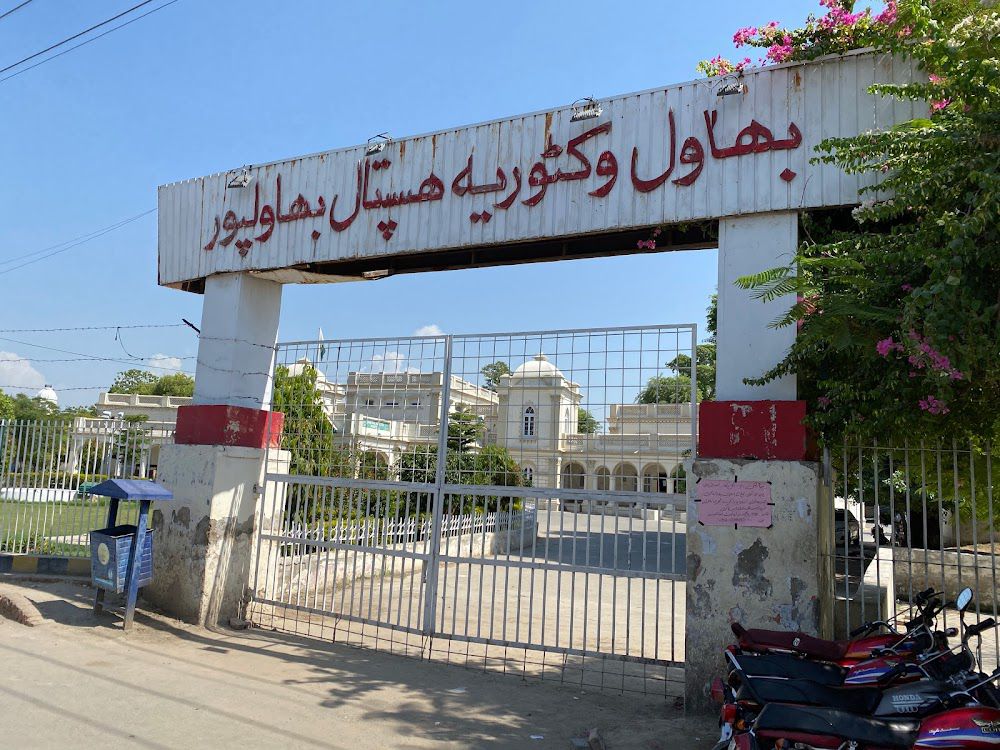
DHQ Teaching Hospital Bahawalpur
300+ to 500 beds secondary-to-tertiary referral facility supporting Bahawal Victoria Hospital and handling overflow emergency and specialty cases within Bahawalpur city.
Bed breakdown (major wards)
Medical 100+, Surgical 90+, Gynecology 60+, Pediatrics 50+, Emergency 60+, ICU/CCU 20+.
Major departments
Medicine, Surgery, Pediatrics, Gynecology & Obstetrics, Orthopedics, ENT, Ophthalmology, Emergency Medicine, Anesthesia, and Diagnostics.
Support / specialized
Emergency services, Radiology, Laboratory, Blood Bank, Pharmacy, Operation Theatres, Isolation Wards, and Critical Care support.
Administrative / ancillary
Administration, Nursing Services, Medical Records, Kitchen/Laundry, and Mortuary.
Key stats: Important urban referral support hospital reducing tertiary burden on BVH. In short: 300–500 beds, multispecialty services, strong emergency and referral role within Bahawalpur Division.
Major ward beds
| Unit / Ward | Beds |
|---|---|
| Surgical Ward | 90+ |
| Medical Wards | 100+ |
| Gynecology | 60+ |
| Pediatrics | 50+ |
| Emergency / Trauma | 60+ |
| ICUs / CCUs | 20+ |
| Authorized total | 300–500 |

District Headquarters Hospital Bahawalnagar
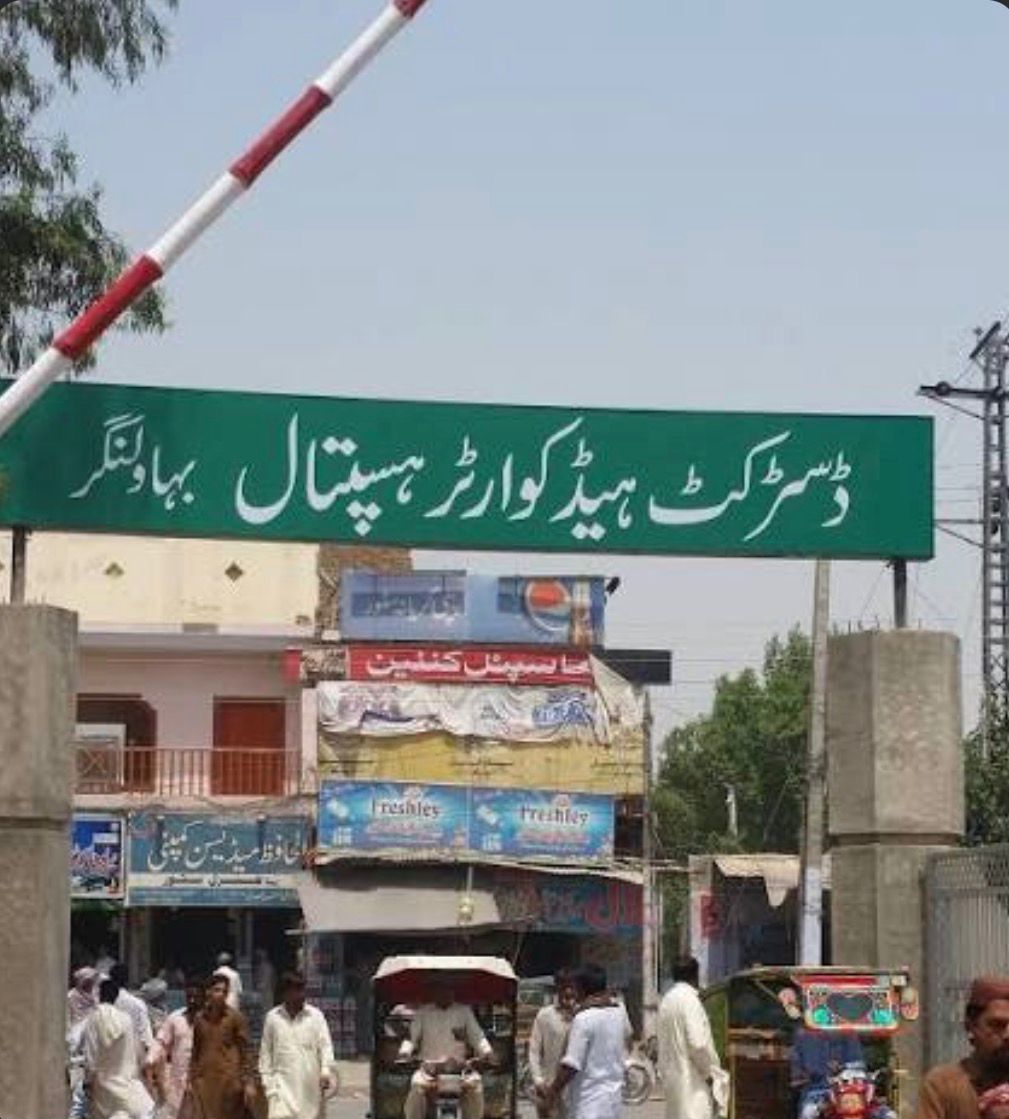
250+ up to 300 beds secondary care facility; primary referral centre for Bahawalnagar District with substantial rural patient load and seasonal overcrowding.
Bed breakdown (major wards)
Medical 80+, Surgical 70+, Gynecology 50+, Pediatrics 40+, Emergency 40+, ICU/CCU 15+ — plus Eye, ENT, TB/Chest, and allied specialties.
15+ departments
Medicine, Surgery, Gynecology & Obstetrics, Pediatrics, Orthopedics, Ophthalmology, ENT, Dermatology, Psychiatry, Emergency Medicine, Pathology, Radiology, and allied services.
Support / specialized
CT/X-Ray/Ultrasound, Laboratory, Pharmacy, Blood Bank, Dialysis support, Operation Theatres, Labor Room, Isolation Areas, and Emergency Services.
Administrative / ancillary
Admin Block, Records Section, Laundry/Kitchen, Mortuary, and Nursing Support Units.
Key stats: Heavy OPD burden from rural tehsils; major maternal and emergency referral role within district health network. In short: 250–300 beds, 15+ departments, Medicine 80+, Surgery 70+, Emergency 40+, expanding emergency and diagnostic services.
Major ward beds
| Unit / Ward | Beds |
|---|---|
| Surgical Ward | 70+ |
| Medical Wards | 80+ |
| Gynecology | 50+ |
| Pediatrics | 40+ |
| Emergency / Trauma | 40+ |
| ICUs / CCUs | 15+ |
| Authorized total | 250–300 |
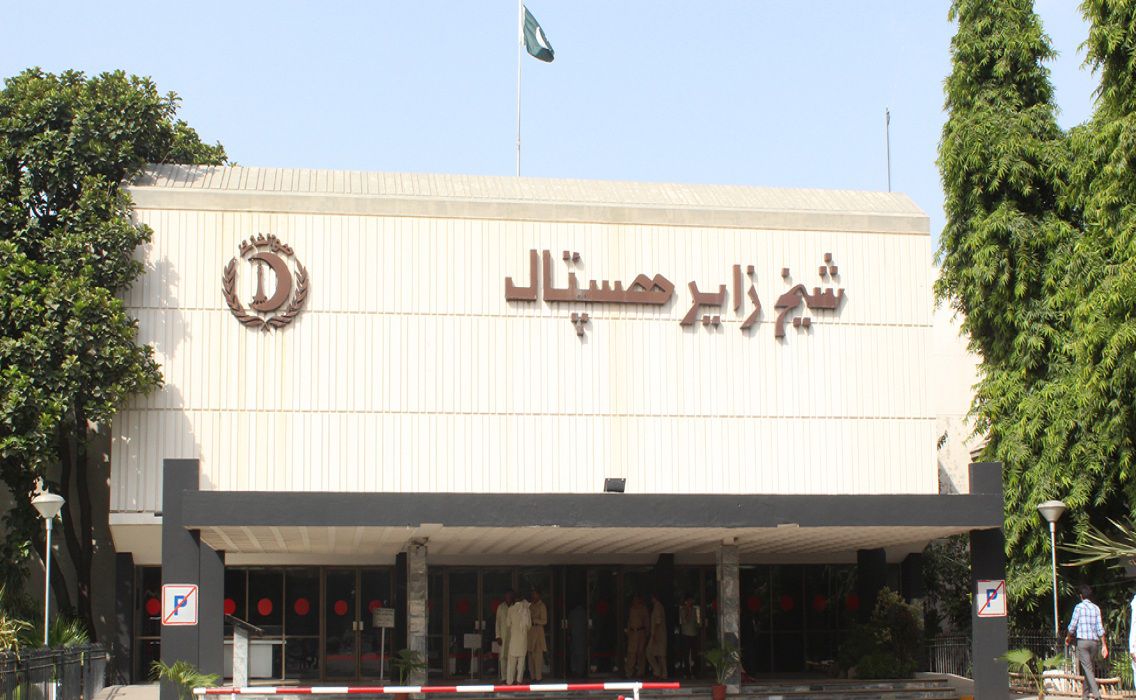
Sheikh Zayed Hospital, Rahim Yar Khan
900+ up to 1,200 beds tertiary care teaching facility; major referral centre for southern Punjab and bordering Sindh districts. Functions as the principal teaching hospital attached to Sheikh Zayed Medical College.
Bed breakdown (major wards)
Medical 220+, Surgical 200+, Gynecology 150+, Pediatrics 150+, Emergency/Trauma 120+, ICU/CCU 70+ — plus Cardiology, Orthopedics, Eye, ENT, Oncology support, and specialized clinical wards.
25+ departments
General Medicine, Surgery, Gynecology & Obstetrics, Pediatrics, Cardiology, Orthopedics, Ophthalmology, ENT, Psychiatry, Dermatology, Urology, Nephrology, Pulmonology, Gastroenterology, Emergency Medicine, Neurology, Anesthesia, and teaching departments.
Support / specialized (12+)
CT Scan, MRI, Digital Radiology, Pathology Labs, Pharmacy, Blood Bank, Dialysis Centre, Operation Theatres, ICU/CCU, NICU, Trauma Services, Physiotherapy, and Infection Control Units.
Administrative / ancillary
Administration Block, Medical Education Facilities, Nursing School, Hostels, Records Management, Kitchen/Laundry, Mortuary, and Academic Auditoriums.
Key stats: 3,000+ OPD patients daily, ~500+ admissions daily, thousands of annual surgeries; major referral burden from Rahim Yar Khan, Kashmore, Ghotki, and Rajanpur regions. In short: 1,000± beds, 25+ departments, Medicine 220+, Surgery 200+, Emergency 120+, ICU/CCU 70+, large regional teaching and referral role.
Major ward beds
| Unit / Ward | Beds |
|---|---|
| Surgical Wards | 200+ |
| Medical Wards | 220+ |
| Gynecology | 150+ |
| Pediatrics | 150+ |
| Emergency / Trauma | 120+ |
| ICUs / CCUs | 70+ |
| Authorized total | 900–1,200+ |
Punjab health budget (context)
| Item | Amount |
|---|---|
| Punjab health sector (total) | Rs. 630.5B |
| Development (ADP) | Rs. 181–182B |
| Non-development (Non-ADP) | Rs. ~450B |
| District-level hospitals (allocation band) | Rs. 50–70B+ |
The division receives its proportional share from these provincial envelopes for facility upgrades, revamping, and service delivery across Bahawalpur, Bahawalnagar, and Rahim Yar Khan.
Note: Bahawalpur Division facilities are managed under Punjab Primary & Secondary Healthcare and Specialized Healthcare departments. Data is compiled from Punjab DHIS annual reporting and district health profiles (figures are approximate/latest reported and may vary with ongoing upgrades). High patient loads, specialist shortages, and medicine stock constraints remain common challenges across DHQs and tertiary hospitals.